
The invisible enemy in the tap
The invisible enemy in the tap
When you open the tap to fill a glass of water, you expect purity. However, in thousands of homes and institutions across New Jersey, water undertakes a risky journey before flowing out of the spout. Lead, a highly toxic heavy metal, silently infiltrates the domestic supply.
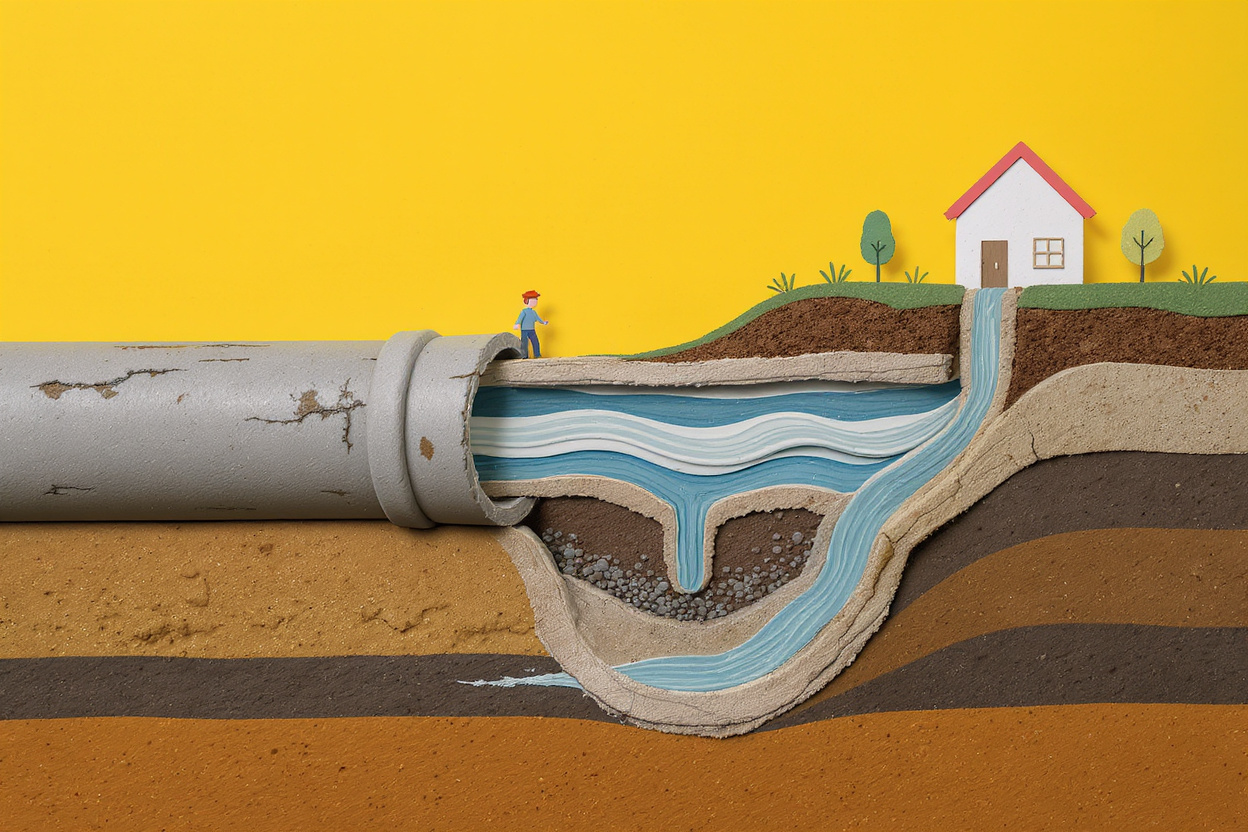
The water leaving New Jersey's treatment plants contains no lead. The danger occurs in the last mile of the journey. When corrosive water flows through old service lines made of lead, connections soldered with this metal, or brass faucets, lead slowly dissolves and mixes with the liquid you consume.
This process is unnoticeable to the naked eye: lead dissolved in water has no color, taste, or odor. The only way to detect its presence with certainty is through specific laboratory chemical analysis.
<quizid="93a60890-a2a8-5695-a8fa-cdf7b0432414" type="multipleChoice" subtype="singleAnswer" points="5" orderConstraint="first">
At which point in the journey does lead contamination of the drinking water we consume at home occur?
options:
- In public reservoirs and natural freshwater sources
- In municipal water filtration and treatment stations
- *In lead service lines and the internal plumbing of properties
- In the outdoor air right before the stream pours into the glass
feedback:
Contamination occurs due to the chemical corrosion of the metal present in external connection pipes (service lines), old soldering, and brass faucets within the home or school itself.
</quiz>
Why lead harms child development
Every level of lead exposure represents a direct biological risk. The World Health Organization and the Centers for Disease Control and Prevention (CDC) maintain that there is no safe minimum limit of lead in the bloodstream.
In children, this metal acts as a saboteur of neurological development. Lead mimics the function of calcium in cellular chemical reactions and blocks normal communication between neurons.
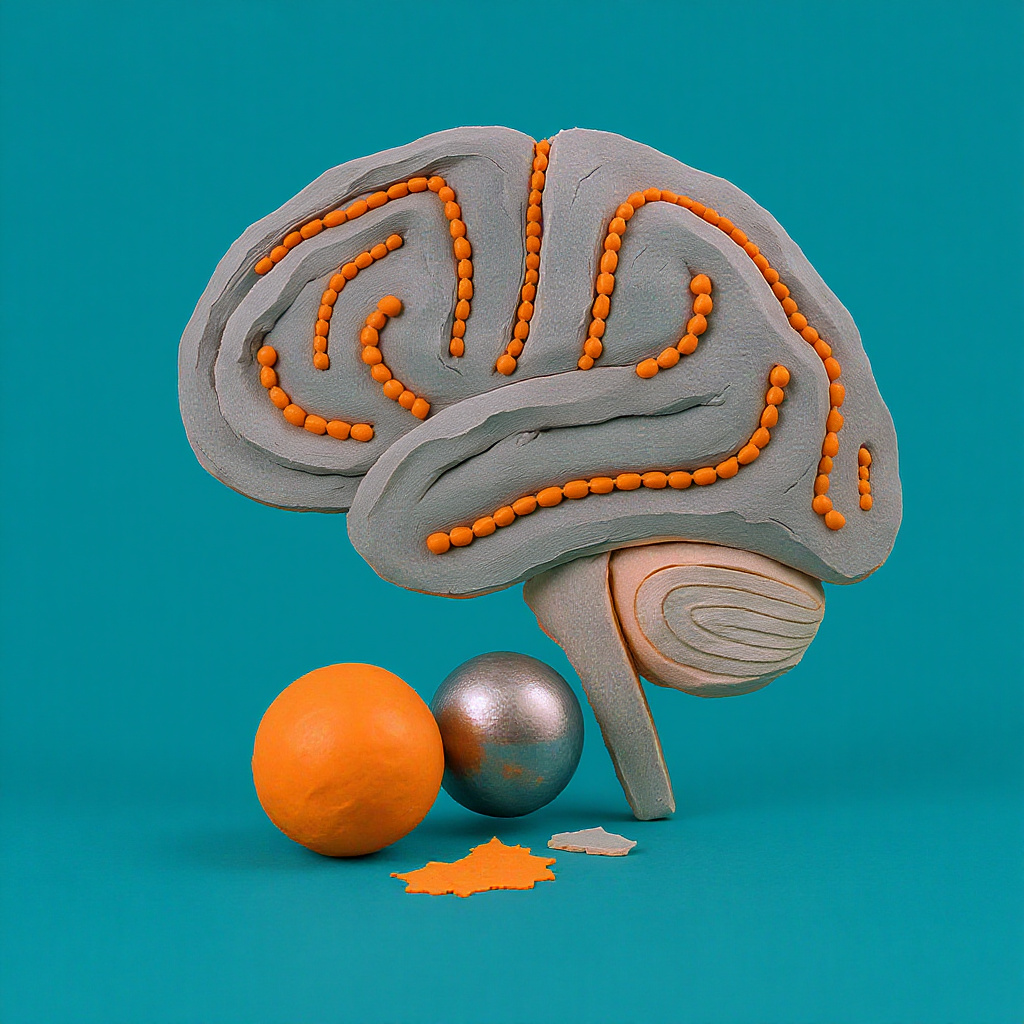
This directly impairs IQ, attention span, and impulse control during critical growth stages.
Pregnant women face equally severe consequences. Lead accumulated in the mother's bones can be re-released into the bloodstream during gestation, crossing the placenta to affect the developing brain and body weight of the growing fetus.
The New Jersey lead map
New Jersey copes with a legacy of aging industrial infrastructure. The state's schools reflect the magnitude of this problem in their taps and drinking fountains.
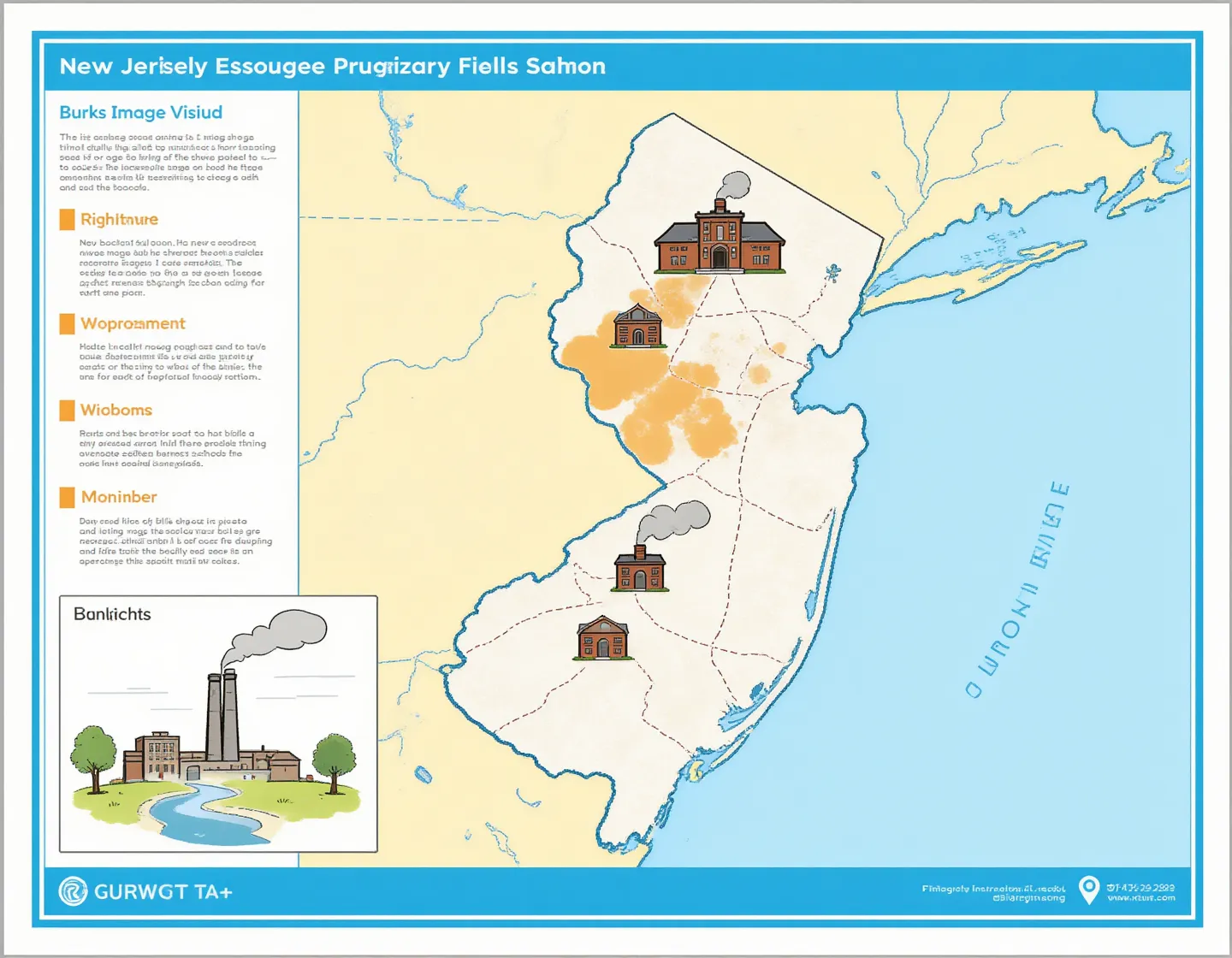
A comprehensive analysis of the first cycle of mandatory lead testing in public schools, published in the Journal of Environmental Health, yielded critical data on state vulnerability:
| Analyzed Finding | Registered Proportion |
|---|---|
| Districts with at least one tap above the action limit (15 ppb) | 79% (383 districts) |
| Districts with at least one tap with extremely high levels (≥ 45 ppb) | 54% (261 districts) |
| Maximum isolated concentration detected in a school tap | 23,980 ppb |
Although the New Jersey Department of Education (NJDOE) requires periodic testing and immediate public notifications when the threshold of 15 parts per billion (ppb) is exceeded, thousands of school taps have required shutoffs or the installation of emergency filters in recent years to protect students.
The great public work: replacing lead
In July 2021, the state of New Jersey enacted the Lead Service Line Replacement Law (P.L. 2021, c.183). This legislation mandated that all water utility companies identify and replace all lead pipes connecting public mains to private properties.
The legal objective of the plan is clear: achieve full removal by the year 2031.
- Pipe interior: lead vs. copper
- Compare internal degradation and reduced water flow caused by severe corrosion.
- Corroded Lead (Old)
- Clean Copper (New)
- Slider to compare lead and copper
- NEW COPPER
- CORRODED LEAD
- Lead Pipe
- Critical
- Useful diameter reduced by ~75% due to buildup of harmful scaling.
- Copper Pipe
- Optimal
- Smooth surface prevents buildup and maintains 100% flow rate.
State funding and federal subsidies allow much of these expensive excavation works to be conducted without direct charges to the owners of the affected properties.
Municipalities are moving at different speeds:
- Trenton Water Works has executed works in successive phases, successfully replacing about 30% of its identified service lines.
- Newark ahead of schedule completed an aggressive plan that replaced over 18,000 lead lines with safe copper connections.
How to protect your family today
Since full removal of the state's pipes will take years, immediate home water safety depends on prevention practices and the use of certified technologies.
| Protective Measure | Scientific Rationale |
|---|---|
| Use cold water only | Hot water releases and dissolves lead from pipes more easily. Use cold water for drinking, cooking, and preparing infant formula. |
| Flush the tap | If water has been standing for more than 6 hours, let the cold tap run for 1 to 2 minutes before using it. |
| NSF/ANSI 53 Filters | |
| Avoid boiling water | Boiling water does not eliminate lead. On the contrary, it increases its concentration by evaporating clean water and leaving behind the heavy metal. |
Before purchasing a home filter, review the packaging or the manufacturer's technical sheet. It must display the seal of an accredited body and certify that it complies with the NSF/ANSI 53 standard for lead reduction. Standard pitchers designed only to improve taste or remove chlorine do not trap dissolved heavy metals.
Sources
References
- NJSBA Guidance on 2024-2025 Testing for Lead in School Drinking Water
- Karl Environmental Group: Lead in Drinking Water Testing in New Jersey Schools
- New Jersey American Water Lead Service Line Replacement Program
- New Jersey Department of Education: Lead in School Drinking Water
- Trenton Water Works Lead Service Line Replacement Project
- Compliance With Mandated Testing for Lead in New Jersey School Drinking Water (Journal of Environmental Health)
- Newark Lead Service Line Replacement Program Success
- New Jersey Department of Environmental Protection: Lead and Drinking Water
- US EPA: How to Identify Filters Certified to Reduce Lead in Drinking Water