
From Corporations to the Global Classroom
From Corporations to the Global Classroom
The path to educational entrepreneurship usually begins with a break in expectations.
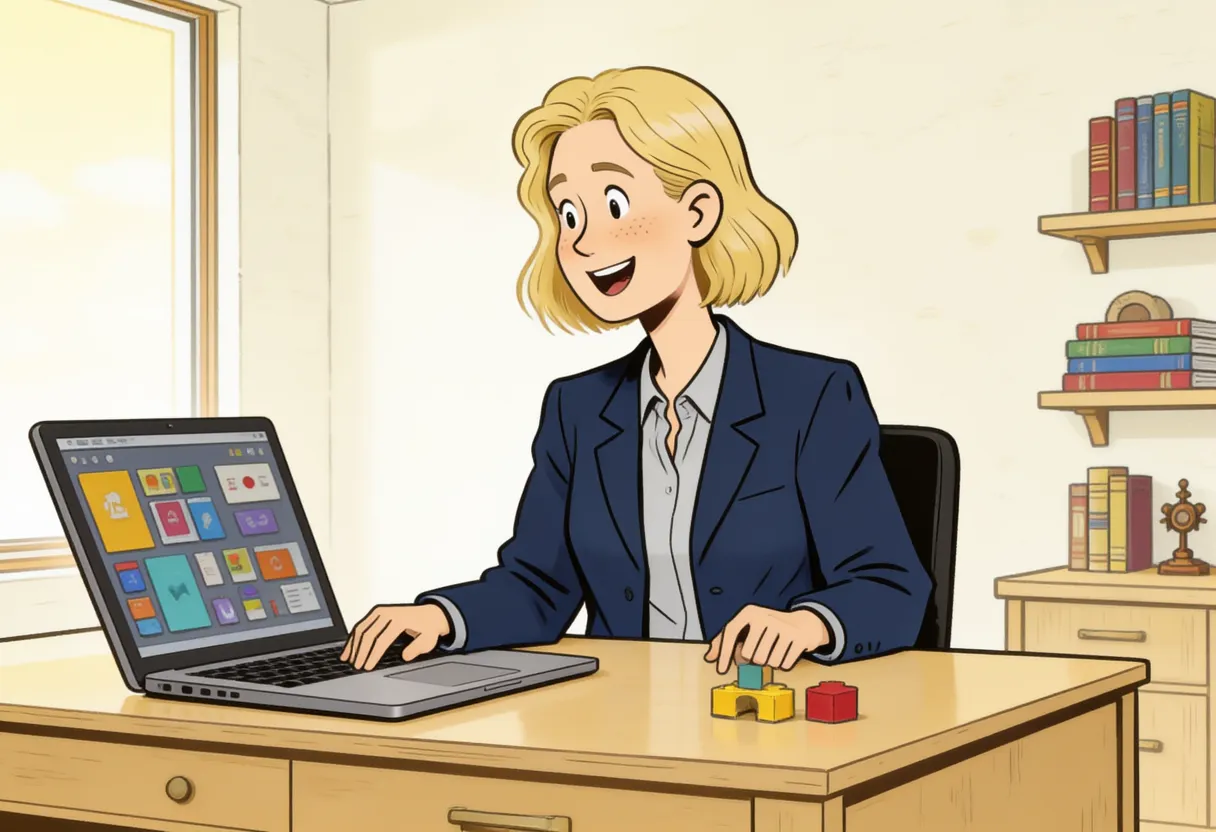
Sari Hurme-Mehtälä consolidated her career for more than 15 years leading marketing, sales, and digitalization strategies in mass consumption, technology, and telecommunications sectors, including key positions in multinationals like Samsung. She had the experience and the explicit desire to found and run a company, but she was looking for a purpose that transcended traditional corporate profit.
The motherhood of her two children redefined her professional priorities. She was looking for a project with a real impact on child development. In 2017, that purpose took shape when she learned about the research Dr. Jenni Vartiainen was conducting at the University of Helsinki on science education in early childhood.
By combining her knowledge of commercial scalability with Vartiainen's academic rigor and Aino Kuronen's educational design experience, they founded Kide Science in December 2017. Hurme-Mehtälä assumed the role of CEO with a clear vision: to transform a high-demand local science club into a global and scalable digital platform. Her initial approach consisted of structuring the company by overcoming the lack of foundational salaries during the first months, relying on the Reaktor accelerator to obtain initial strategic support.
<quizid="d0e9d1cb-fc8b-5c2b-a598-36bed22d6261" type="trueFalse" points="3" orderConstraint="first">
Before co-founding Kide Science, Sari Hurme-Mehtälä worked for more than a decade in marketing and sales roles in the technology and mass consumer corporate sectors.
options:
- *True
- False

feedback:
Sari Hurme-Mehtälä accumulated more than 15 years of experience in marketing and sales in corporations like Samsung before making the leap to the EdTech sector in 2017.
</quiz>
The Science of Play: The Foundation at the University of Helsinki
Kide Science was not born as a software product looking for a market, but as doctoral research looking for a channel of social transfer. In 2013, Dr. Jenni Vartiainen began researching how children aged 3 to 6 interact with physical and chemical phenomena through play. Her work at the University of Helsinki demonstrated that early scientific literacy does not require memorizing formulas, but rather guiding natural curiosity through guided inquiry.
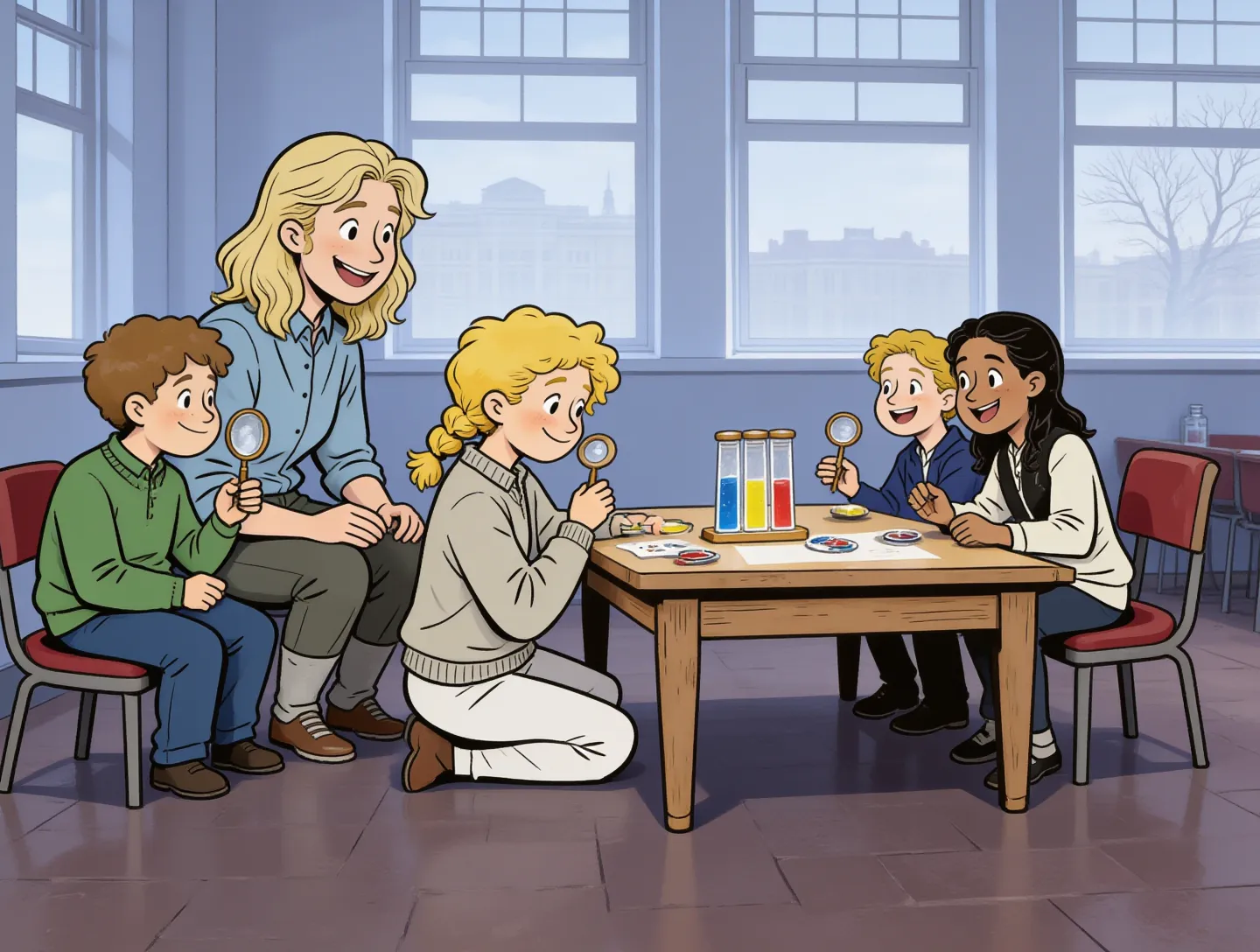
The experimental science clubs that Vartiainen organized at the university collapsed under demand. Parents and educators demanded a structured method to replicate these experiences, but the traditional academic field lacked the tools to distribute this pedagogy on a massive scale.
The transition from research to market was formalized through the Playful Inquiry method. The software designed by Kide Science translated academic guides into a planning platform for teachers, allowing them to run rigorous experiments without needing to be scientists. This solid scientific foundation has been externally validated by studies in the United States under the standards of the ESSA (Every Student Succeeds Act) law, which demonstrate improvements in communication and logical reasoning in children who use the platform.
<quizid="15f73f23-073c-5d14-8700-555976be213f" type="fillInTheBlank" points="5" orderConstraint="showAfter(d0e9d1cb-fc8b-5c2b-a598-36bed22d6261)">
The pedagogy of Kide Science has its roots in academic research initiated in 2013 within the University of ____.
options:
- *Helsinki
- Espoo
- Tampere
- Oulu
Answer: Helsinki
feedback:
Dr. Jenni Vartiainen developed the foundational research on early childhood science education at the University of Helsinki starting in 2013.
</quiz>
The Pedagogical Model: Inhabiting Imaginary Worlds
Kide Science's model for children aged 3 to 8 operates under a premise that challenges traditional teaching: learning occurs when the child adopts the identity of a scientist in a narrative context. Instead of observing passive demonstrations by the teacher, students solve real problems within an imaginary world called Supraland.
The dynamic is sustained on three pedagogical pillars:
- Fantastic Narrative: Children receive letters from characters who live in Supraland and face everyday problems (for example, how to clean dirty water or how to inflate a balloon without using air).
- Active Role-Play: Students dress in lab coats and assume the role of researchers, which reduces frustration with scientific errors.
- Physical and Tangible Inquiry: Experiments are carried out with common household materials (baking soda, vinegar, water, paper), ensuring that the focus is on the cognitive process of observation and prediction, rather than on the technological complexity of the instruments.
- Baking Soda (Variable Reactant)
- 3.0g
- Pour baking soda
- Fixed vinegar
- (50 mL)
- The vinegar is constant. Choose an amount of baking soda to see if it reacts completely or if there is an excess.
| Dimension | Traditional STEAM Approach | Playful Inquiry Model |
|---|---|---|
| Student role | Receiver of practical demonstrations | Active researcher inside a story |
| Resources | Specialized laboratory kits | Everyday and accessible materials |
| Context | Prior theoretical explanation | Problem solving in imaginary worlds |
| Assessment | Verification of the correct result | Evaluation of the hypothesis formulation process |
International Expansion and Acquisition by Accelerate Learning
The scalability of Kide Science was put to the test outside Finnish borders. Under Hurme-Mehtälä's management, the platform transitioned from offering face-to-face training for teachers and static PDF documents to operating a global SaaS (software as a service) model. By 2023, the company already provided science curricula in more than 30 countries, impacting more than one million children.
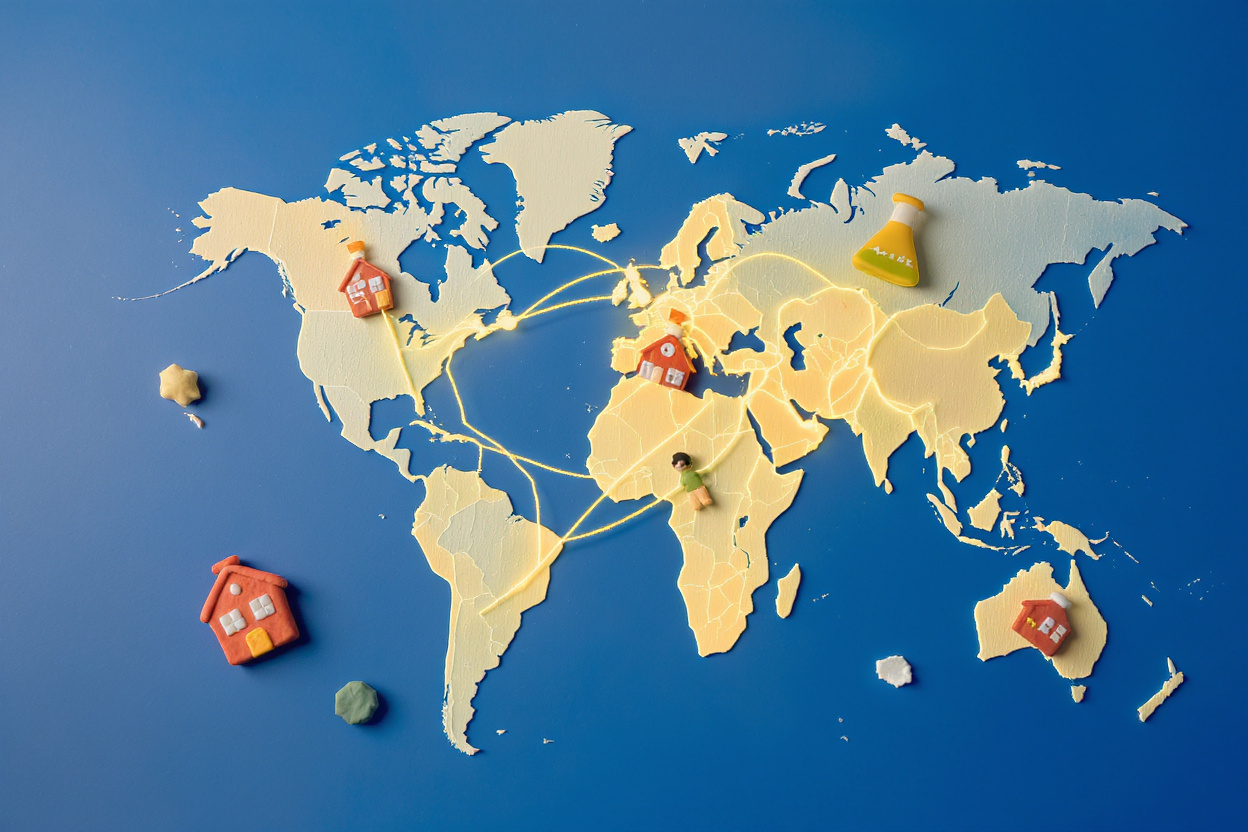
In October 2023, the company's most significant financial milestone occurred: Accelerate Learning, a US giant in STEM curricula for basic education (creator of the STEMscopes ecosystem), acquired Kide Science. Although the Nordic ecosystem usually associates large exits with local gamification firms, the sale to a US operator consolidated Kide Science as a standard for early STEAM pedagogy globally.
The curricular integration with Accelerate Learning allowed maintaining product autonomy under the Kide Science Free and Classroom levels, serving as an international gateway for schools looking to align Nordic playful flexibility with strict North American assessment standards.
Finland as a Global EdTech Laboratory
To understand the success of Kide Science, it is necessary to analyze the particularities of Finland as an educational innovation cluster. The country does not only export technology, it exports structured pedagogy under a framework of high institutional trust.
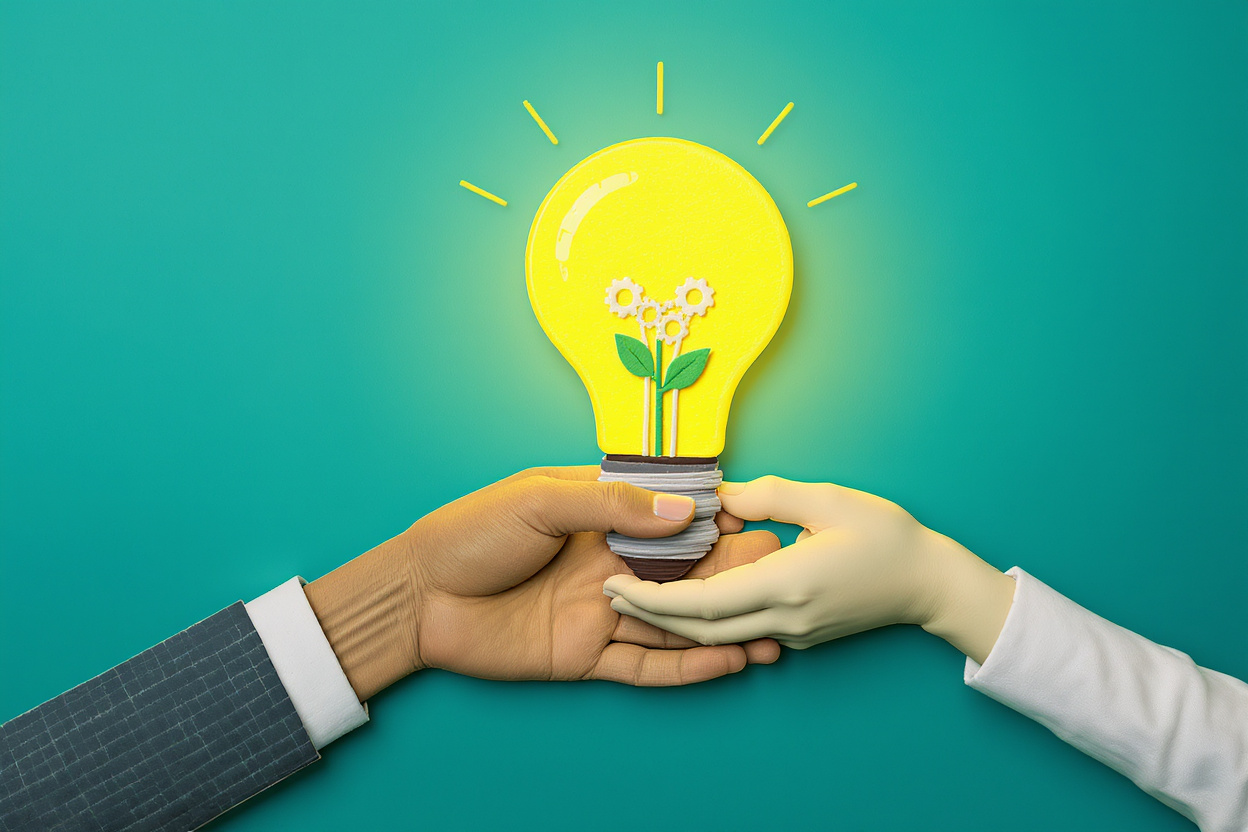
The Finnish ecosystem works thanks to the articulation of three key gears:
- The Teacher as Co-designer: Finnish teachers have a mandatory master's degree level and wide pedagogical autonomy. They are not mere consumers of software; they critically validate educational software in early stages.
- Urban Co-creation Platforms (KYKY and EAC): Cities like Espoo (through the KYKY model) and Helsinki (through Easy Access Co-Development) open their public schools as real laboratories. Startups test their software in real classrooms, ethically and regulated, before launching it on the international market.
- Strict Pedagogical Certifications: Independent entities like the Education Alliance Finland (EAF) scientifically evaluate the learning impact of products, awarding a globally recognized seal of quality that helps mitigate the commercial noise of the educational technology market.
The European Market and the Consolidation of Sari Hurme-Mehtälä
The EdTech industry in Europe faces severe structural fragmentation. Unlike the United States or China, where startups scale under a common commercial law and language, the European market requires adapting each platform to multiple languages, local privacy regulations (aligned with the strict GDPR), and decentralized national curricula.
Faced with this scenario, Sari Hurme-Mehtälä has taken a systemic leadership role that goes beyond Kide Science. As a board member of the Nordic EdTech Network (N8), she promotes cross-border cooperation between Scandinavian and Baltic countries to create a consolidated commercial block
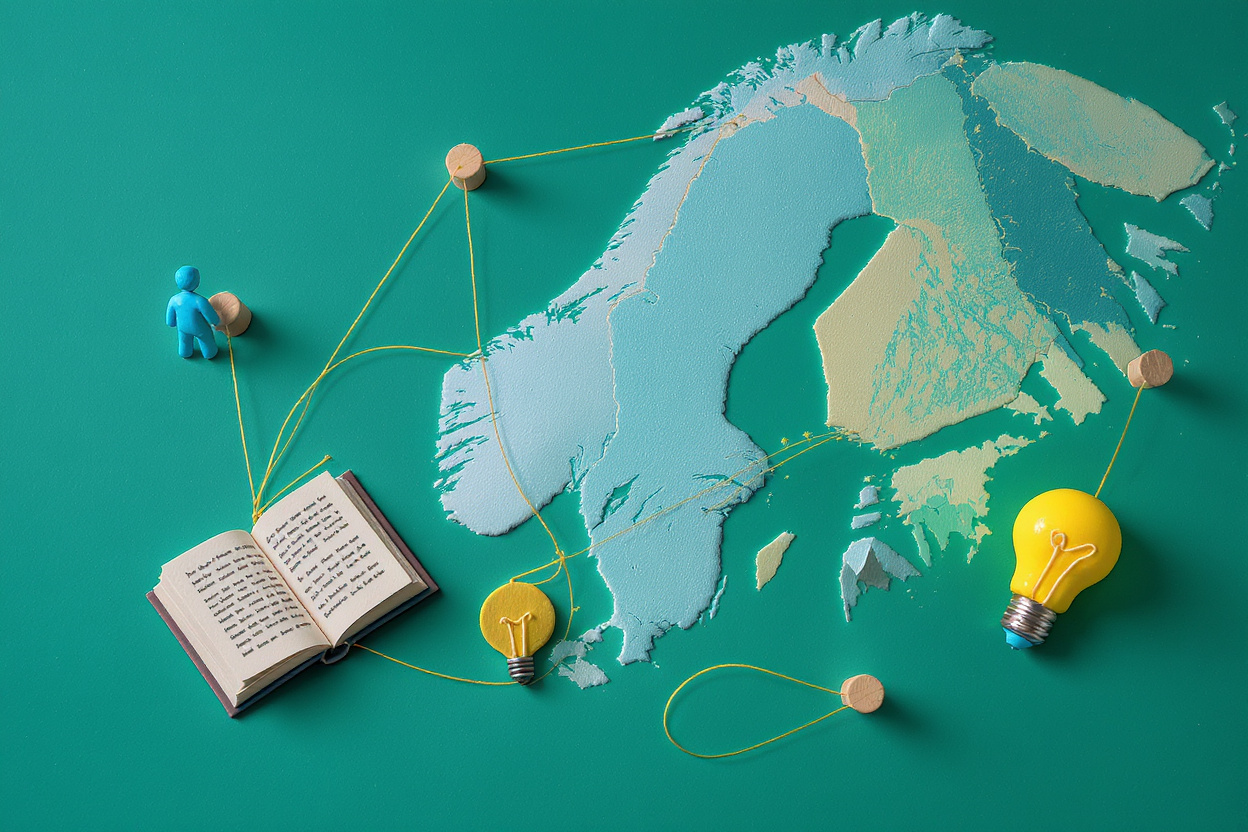
that simplifies public bidding processes.
Standardized pedagogical validation and a "pedagogical-first" approach are the best defenses against the rapid advancement of generative artificial intelligence in classrooms, where technology risks prioritizing task efficiency over true children's cognitive development.
| Structural Challenge | Operational Impact | Mitigation Strategy |
|---|---|---|
| Curricular fragmentation | Each country (and even region) has its own educational standards | Design of modular and flexible platforms based on universal competencies |
| Data privacy (GDPR) | Strict restrictions on the storage of minors' data | Secure local architectures and minimal storage of personal data |
| Language barrier | Need to translate not only texts, but dub resources and adapt cultural narratives | Early internationalization with native multi-language support |