

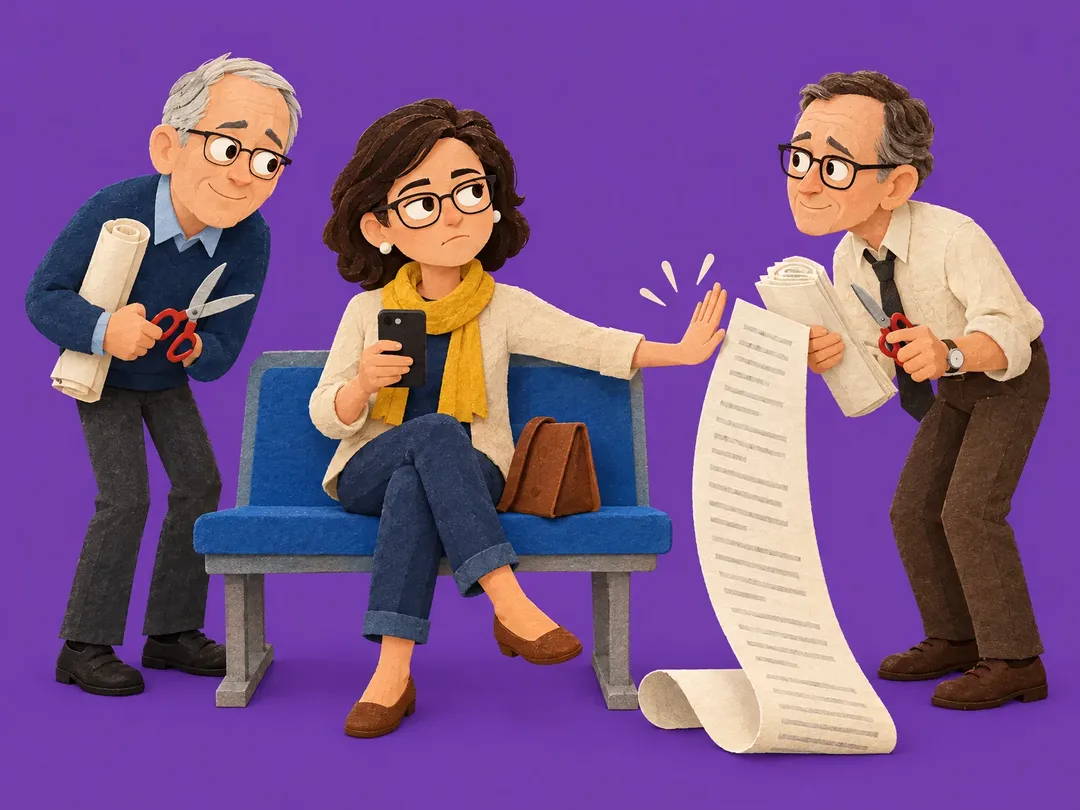
The throat-clearing tax on your blog's first lines
Picture someone on a bus, thumb hovering over a link a friend shared. The post loads and opens with "In today's fast-paced digital landscape, content is more important than ever." The thumb moves on, and the post never gets a second chance.

Web readers rarely read word by word. Eye-tracking research by Jakob Nielsen and the Nielsen Norman Group, which recorded 232 people looking at thousands of pages, found that most users scan. On text-heavy pages their eyes often trace an F shape, with two sweeps across the top and then a slide down the left edge, catching only the first words of each line. The pattern varies with design and motivation, and an inverted L or an E-like shape turns up too. The top of the page still gets the most attention in nearly all of these patterns.
- blog.example.com/post
- Fewer glances
- Most attention
The opening lines are the only part of your post almost everyone sees, so every word spent warming up costs readers. Writers call this habit throat-clearing, and it comes in a few familiar costumes.
- The landscape sentence, such as "In an ever-changing world…", which could open any article ever written.
- The dictionary definition, such as "Webster's defines productivity as…", which tells readers something they already know.
- The announcement, such as "In this post, we will explore…", which describes the post instead of starting it.
- The company résumé, such as "At Acme, we have always believed…", which talks about the writer before the reader has a reason to care.
Ann Handley, author of Everybody Writes, calls this a long "running start," the background a writer types to warm up before reaching the point. Her rule is to state the key idea early. The warm-up helped you find your thoughts, and the reader doesn't need to watch you do it. A good editing habit follows from that. Write your draft, then delete the first paragraph and see whether the post improves. It usually does.
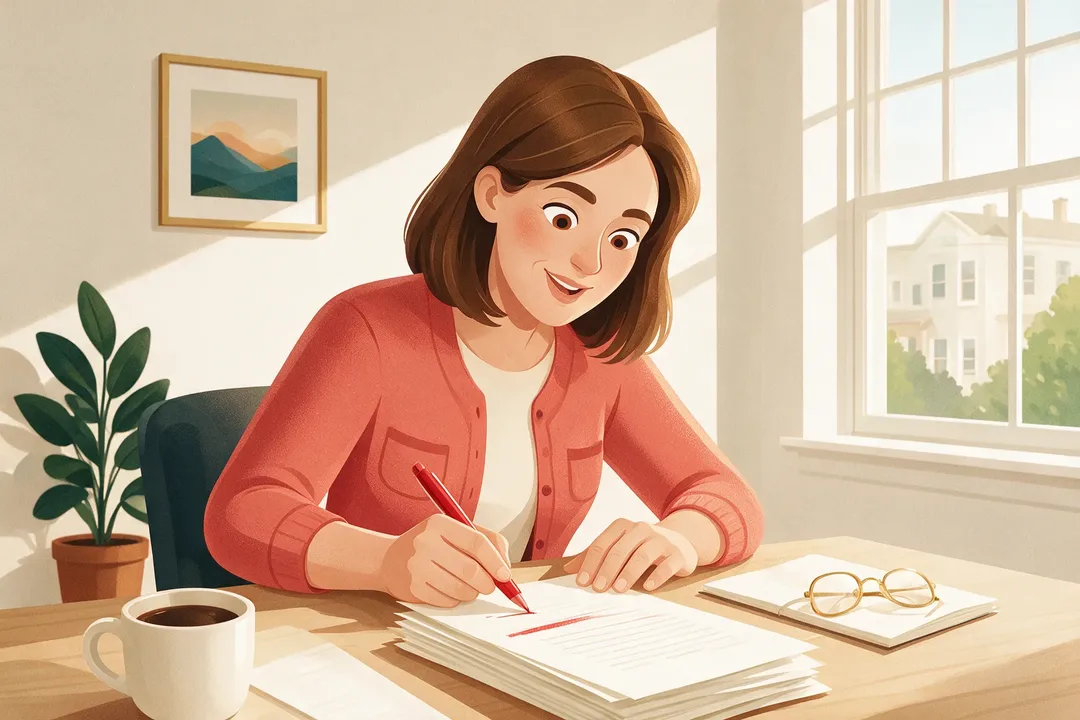
Four openings that put the stake up front
William Zinsser, whose On Writing Well has taught nonfiction writers for decades, said the lead is a hook rather than a formal introduction. It should grab attention and make the reader want the next sentence, and it should reveal what is distinctive about the piece. He also insisted there is no universal formula, because the lead has to fit the material. Four approaches cover most blog posts, and each one replaces a sluggish corporate line.
Immediate tension
Start where something is at risk. Instead of "Cash flow management is a critical skill for freelancers," try "On March 3rd, I had $41 in my account and three clients who owed me $9,000." The reader feels the problem before you name it.
A vivid scene
Handley suggests putting readers into a situation they can imagine at once. "Remote work has changed office culture" becomes "Every Monday at 9:02, twelve muted squares stare at a manager who just asked if anyone has updates." Someone who has sat through that call will recognize it immediately.
A sharp question
A question works when it makes readers check their own lives, and it fails when it sounds like a quiz show. "Have you ever wondered about sleep?" asks nothing. "Why do you wake up at 3 a.m. exactly when you have a big day?" names a real, slightly spooky experience the reader wants explained.
A counterintuitive fact
Zinsser often found his best leads through research, in the odd detail that surprised him first. Handley recommends opening with unexpected data for the same reason. "Most people misunderstand how readers use websites" is vague. "Most visitors read only the first few words of each line on your page" is specific, and it makes a writer uneasy in a useful way.
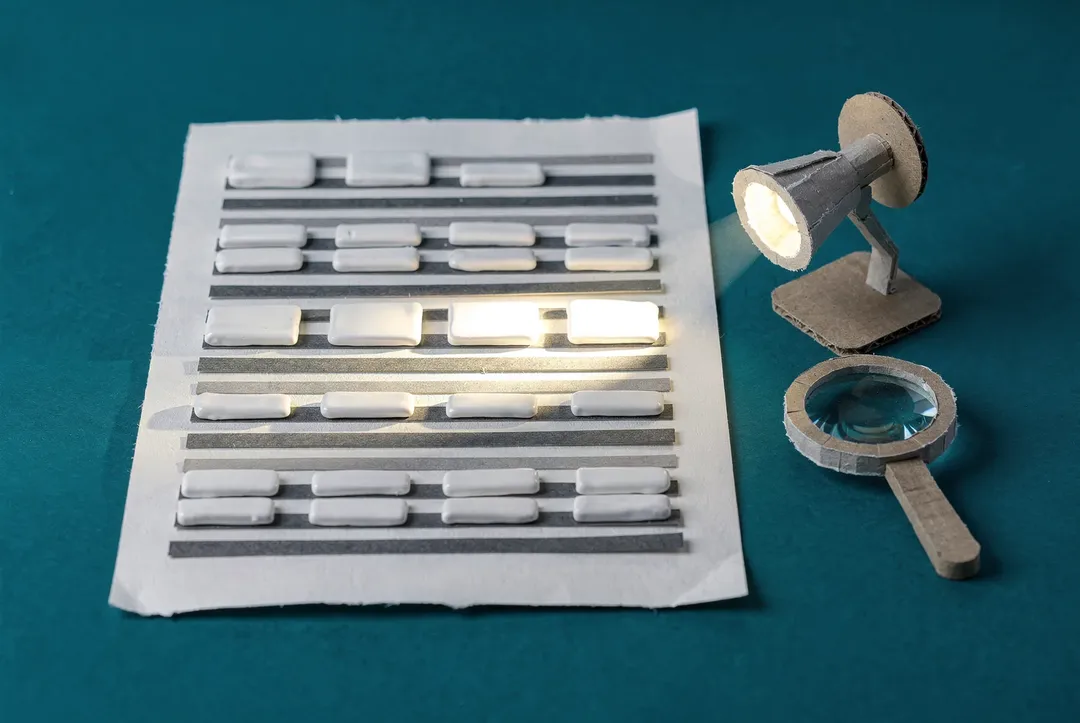

A skeleton that pulls readers down the page
A strong opening earns about thirty seconds. Structure keeps the reader for the rest, because a scanning reader decides at every subheading whether to stay. NN/g found that the F-pattern appears most often when a page is an unformatted wall of text and the reader isn't engaged enough to read every word. Good structure gives that reader something to grab on each pass down the left margin.
- Version
- Wall of text
- Claim headings
- Scanning comprehension
- How to fix a leaky faucet
- A leaky faucet wastes water and money and most people put off fixing it because they assume they need a plumber but the truth is that the most common cause is a worn rubber washer inside the handle which can be replaced with a basic wrench in about twenty minutes if you first turn off the water supply under the sink and then remove the handle and the stem to reach the washer at the bottom.
- Other causes exist such as a corroded valve seat or a damaged O-ring or high water pressure or a cracked cartridge and each of them needs a different part and a different approach so if replacing the washer does not stop the drip you should check the seat with a flashlight and look for rough edges and then consider the other possibilities one at a time before you call anyone for help.
- Replace the worn washer first
- The most common cause is a
- worn rubber washer
- . It takes twenty minutes and a basic wrench.
- Shut off the water before you start
- Close
- the valve under the sink
- Remove
- the handle and the stem
- Swap
- the washer at the bottom
- Still dripping? Check the valve seat
- Rough edges
- on the seat cause drips. Rarer causes, like an O-ring or a cracked cartridge, come next.
- Highlights
Subheadings that make claims
Label subheadings tell nothing ("Background," "Tips," "Conclusion"). Subheadings that make claims let a scanner learn the argument from the headings alone. Compare "Pricing" with "Charge by the project, not the hour." Begin headings, paragraphs and bullets with words that carry information, since those first words may be the only ones read.
Progressive disclosure
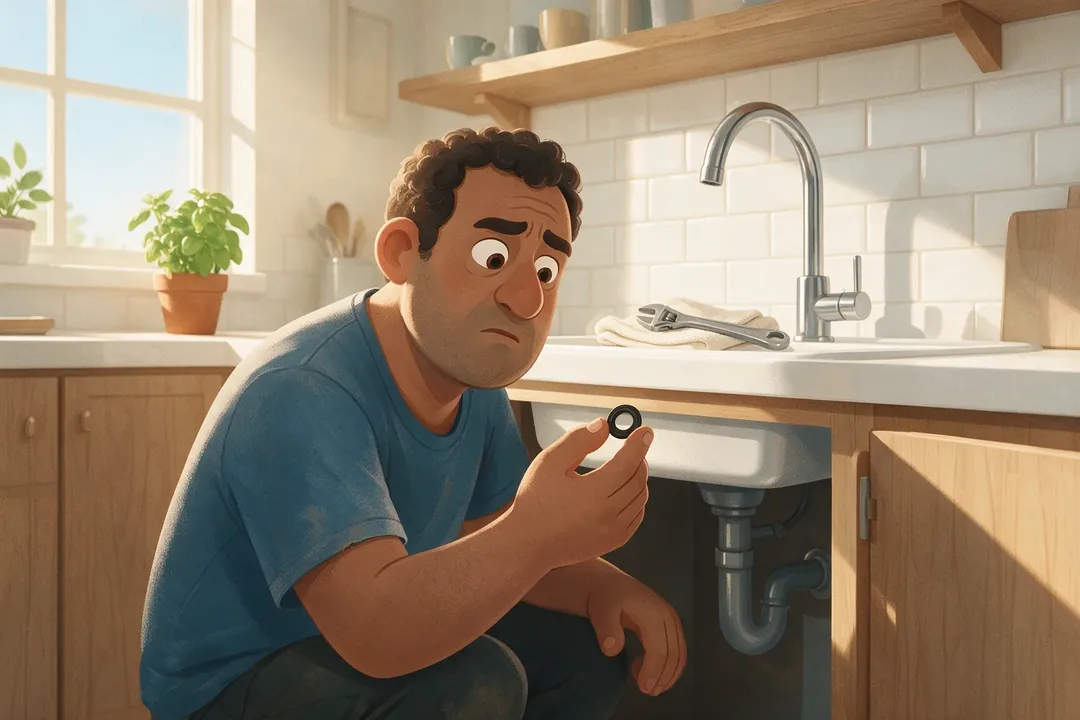
Give the reader the answer first and the nuance after. A post on fixing a leaky faucet opens with the most common cause (a worn washer) and how to replace it. Rarer causes come later for the readers who need them. Each section answers one question and raises the next, which is what Zinsser meant when he said a paragraph's last sentence should work as a springboard into the following one.
One idea per paragraph
On a phone screen, a five-sentence paragraph looks like a brick. Keep each paragraph to a single idea in two to four sentences, and use bold for the phrase a scanner should catch. A typical post skeleton reads like this.
- Headline that promises something specific.
- Opening of two to four sentences with the stake.
- Three to five sections, each with a claim heading and one idea per paragraph.
- Ending that leaves the reader with something to do or think about, which Handley calls the kicker.
Cadence and voice come from cutting
Read this aloud. "It is important to note that the implementation of a consistent posting schedule can be beneficial in terms of audience growth." Now this one. "Post every Tuesday. Readers start expecting you." The second version says the same thing in a third of the words, and you can hear a person behind it.
Vary sentence length on purpose
Prose with sentences all the same length drones, like a ticking clock. Mix a long sentence that carries detail and reasoning with a short one that lands the point. A short sentence after two long ones works like a drumbeat. Used every other line, it turns into a nervous twitch.
- Sentence cadence
- Same length
- Varied rhythm
- Sentence 1
- Sentence 2
- Sentence 3
- words
Swap weak verbs for working verbs
Many flabby sentences hide their real verb inside a noun. "Make a decision" becomes "decide," "provide assistance" becomes "help," and "conduct an analysis of" becomes "analyze." Put the person doing the action at the front as well. "Mistakes were made by the team" turns into "The team made mistakes," which is shorter and more honest.

Delete the buzzwords
Words like leverage, synergy, robust, solutions and game-changing tell readers they're reading marketing, and readers tune out. Handley recommends short sentences and plain language over jargon and clichés. A useful test is to ask whether you would say the sentence to a friend at a café. If not, rewrite it until you would.
| Sluggish | Punchy |
|---|---|
| We are excited to announce the launch of our new feature. | You can now schedule posts from your phone. |
| Utilize this tool to facilitate collaboration. | Use this tool to work together. |
| There are many writers who struggle with deadlines. | Many writers miss deadlines. |
Write to one person, not a demographic
Marketing plans speak of "millennials aged 25 to 34 interested in wellness." Nobody has ever been moved by a sentence written to that crowd. Readers connect when a post sounds as though it was written for them, and that happens when the writer pictures one specific person.
Imagine her concretely. She is a nurse in Manchester who finishes a twelve-hour shift, wants to start running again, and has already quit twice. Advice written for her stops being "Consistency is key to fitness" and becomes "Run for ten minutes after your shift, even in scrubs. The goal this week is to show up, not to run far." The second line knows her tiredness, her schedule and her history of quitting.

Name the friction
Abstract advice slides off. Specific friction sticks, such as the email you rewrote six times before sending, or the gym bag still in the car trunk from January. Handley suggests opening with a problem the reader recognizes and favoring "you" over "we" so the post stays focused on the reader's needs.
Admit what went wrong
Honest vulnerability builds trust faster than polish does. A food blogger who writes "My first sourdough loaf could have broken a window" earns more belief for her method than one who presents only perfect photos. Keep it in proportion, though. The confession serves the reader's problem, and a post that turns into the writer's diary loses the person it was written for.

Memes, GIFs and screenshots that earn their place
A well-chosen GIF can do what a paragraph can't. It can show tone in half a second or give the eyes a rest after a dense stretch. A badly chosen one interrupts the argument right when the reader was following it. Every embed should pass a few checks before it goes in.
- Does it clarify or add tone? A screenshot of the confusing settings menu you're explaining clarifies. A random dancing cat does not.
- Does it sit next to the point it supports? The visual goes directly after the sentence it reacts to. Placed three paragraphs later, it makes no sense.
- Would the post lose something without it? If you can delete it and nothing changes, delete it.
- Will your reader get the reference? A meme from a niche community can leave everyone else outside the joke.
Spacing matters too. One reaction GIF at a moment of real frustration ("when the client asks for 'just one small change' at 11 p.m.") lands well. A GIF after every paragraph turns the post into a slideshow, and moving images pull the eye away from the text the reader is trying to follow. Screenshots and annotated images tend to earn their place in tutorials. Reaction GIFs work best in personal, conversational posts and almost never in serious ones about health or money.

Always add alt text that describes what the image shows, so readers using screen readers, or on slow connections where images don't load, still follow the point.
Escaping the blank cursor
The cursor blinks, the coffee goes cold, and you've reorganized your desktop icons twice. Blank-page paralysis usually comes from trying to write and edit at the same time, with each sentence judged before it's finished. The fix is to separate the two jobs.
The messy brain dump
Set a timer for ten minutes and type everything you know about the topic in any order, typos included, without stopping. Nobody will read it. When the timer rings you'll have raw material, and often the best opening line is buried somewhere in the middle, said plainly because you weren't trying.
- Doc
- Terminal
- Words
- Time left
- Start Brain Dump
- Reset
- >
- ok so the topic is basically about how nobody starts
- [find the stat]
- my coffee is cold again lol
- Everyone waits to feel ready, and nobody ever does
- thigns I know: drafts are ugly
- warm-up paragraph probably useless
- [check Zinsser quote]
- the first sentence is the hardest part honestly
- maybe start with a story about desktop icons
- typing without stopping feels weird but ok
- [add example here]
- nobody reads this part so whatever
- type
- don't stop
- don't edit
- keep going
Talk it out
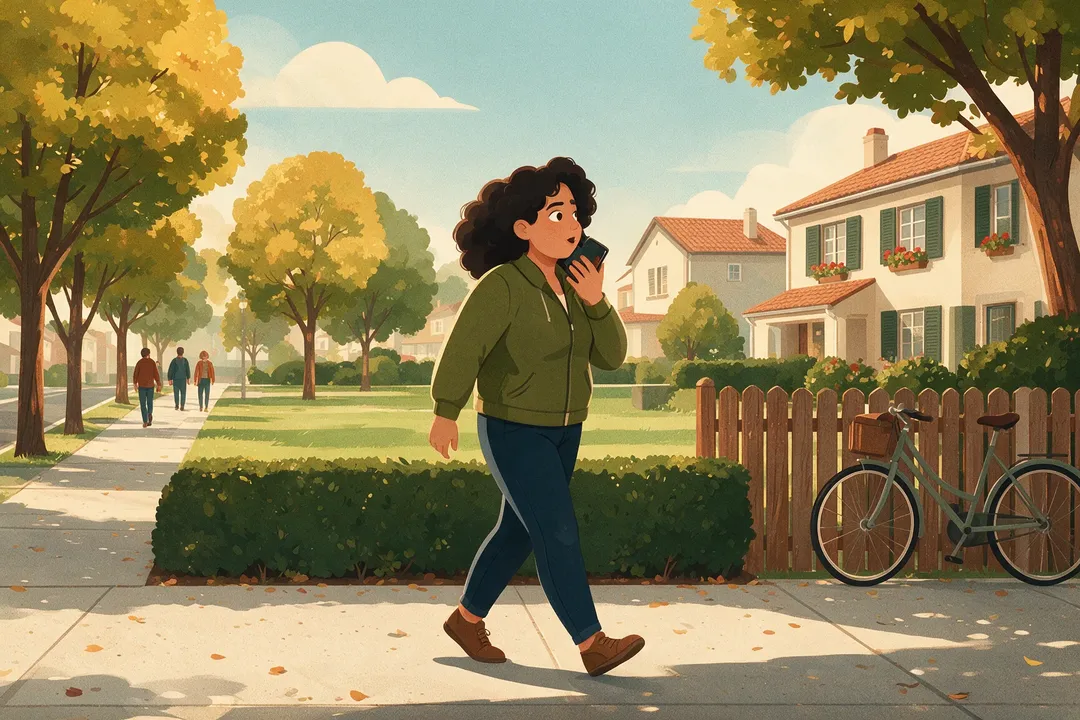
Most people explain things better aloud than on paper. Open the voice recorder on your phone and explain the post to an imaginary friend while you walk. Transcribe it afterward. Spoken sentences come out shorter and more natural, which is exactly the voice a blog needs.
Permission for an ugly first draft
Write a version you'd be embarrassed to publish, on purpose. Leave brackets where facts are missing ("[find the stat]") and keep moving. Editing a bad draft is far easier than writing a good one from nothing, and cutting the warm-up paragraph you'll surely produce is the first easy win.
The writer's shelf for continued practice
Writing well comes from reading good guidance and then practicing with it. A handful of sources cover nearly everything in this lesson and repay rereading.
Books on craft
- *William Zinsser, On Writing Well.* The classic on clear nonfiction. The chapter on the lead and the ending alone can fix most blog openings.
- *Ann Handley, Everybody Writes.* Written for people who create content online, with practical rules on ledes, headlines and plain language. Handley also publishes a short list of writing rules on her own site.
Research on how people read online
- Nielsen Norman Group. Its articles on the F-pattern and text scanning explain, with eye-tracking evidence, why structure matters so much on screens. The topic page on readability collects more of its research in one place.
- The CDC clear writing guide. A public module from the US Centers for Disease Control and Prevention on formatting and layout for readable text, useful for any writer who explains complicated things.

Turning reading into habit
Pick one post you admire and rewrite its opening three different ways. Then take your last published post, delete the first paragraph and read what remains. Practiced weekly, those two drills will do more for your writing than any single book.
Sources
References
- F-Shaped Pattern For Reading Web Content (Original Study) — 2006
- F-Shaped Pattern of Reading: Misunderstood, But Still Relevant — 2017
- Text Scanning Patterns: Eyetracking Evidence — 2019
- Make It Shine: Focus on Format and Layout | NCEH - CDC — 2025
- readability - Nielsen Norman Group — 2019
- On Writing Well: Chapter 9 Summary & Analysis — 2025
- On Writing Well - William Zinsser
- Lead Analysis in On Writing Well | LitCharts — 2021
- On Writing Well by William Zinsser: 9 Minute Summary — 2023
- Everybody Writes: Your Go-To Guide for Creating Ridiculously Good Content: 9781118905555: Business Communication Books @ Amazon.com — 2014
- [Sažetak] Everybody Writes – Ann Handley | IT What? — 2023
- archive.org · download · astronomicalheri0000unseEverybody Writes - Archive.org
- 13 Writing Rules — 2014
Audiovisual sources
- File:Jakob Nielsen 1 (cropped again).jpg — docsearls, Wikimedia Commons · CC BY-SA 2.0
- Getty Images — zezeewithbooks.wordpress.com
- Our first imperative was to eliminate “clutter” which Bill regarded as “the disease of American writing.” — newyorker.com
- commons.wikimedia.org — commons.wikimedia.org
- Jakob Nielsen — uxmag.com
- nngroup.com — nngroup.com
- ann handley — annhandley.com
- Ann Handley | Wall Street Journal Best-Selling Author and World’s First Chief Content Officer — premierespeakers.com
- ann-handley — lxahub.com
Frequently asked questions
What is throat-clearing in blog writing?
Throat-clearing is the habit of warming up before reaching the point, such as opening with a landscape sentence, a dictionary definition, an announcement, or a company résumé. Ann Handley calls it a long "running start," the background a writer types to warm up. The warm-up helped you find your thoughts, but the reader doesn't need to watch you do it.
Why do readers leave a blog post after the first line?
Web readers rarely read word by word; eye-tracking research by Jakob Nielsen and the Nielsen Norman Group found that most users scan, often tracing an F shape with two sweeps across the top and a slide down the left edge. The opening lines are the only part almost everyone sees, so every word spent warming up costs readers. A vague opening like "In today's fast-paced digital landscape" gives the thumb no reason to stop.
How do I write a strong opening line for a blog post?
William Zinsser said the lead is a hook rather than a formal introduction, and it should grab attention and reveal what is distinctive about the piece. Four approaches cover most posts: immediate tension, a vivid scene, a sharp question, and a counterintuitive fact. Handley's template is problem or surprising fact, then why it matters to the reader, then a clear promise.
What makes a good subheading in a blog post?
Label subheadings like "Background," "Tips" and "Conclusion" tell a scanner nothing. Subheadings that make claims let a scanner learn the argument from the headings alone, such as "Charge by the project, not the hour" instead of "Pricing." Begin headings, paragraphs and bullets with words that carry information, since those first words may be the only ones read.
How long should a blog paragraph be?
On a phone screen, a five-sentence paragraph looks like a brick. Keep each paragraph to a single idea in two to four sentences, and use bold for the phrase a scanner should catch. A typical post skeleton has three to five sections, each with a claim heading and one idea per paragraph.